KARASAWA · metal cutting tools
Indexable and solid carbide tooling for milling, drilling, turning and threading. The point everything here is built around: the box you open next month cuts exactly like the one in the machine right now.
Programme
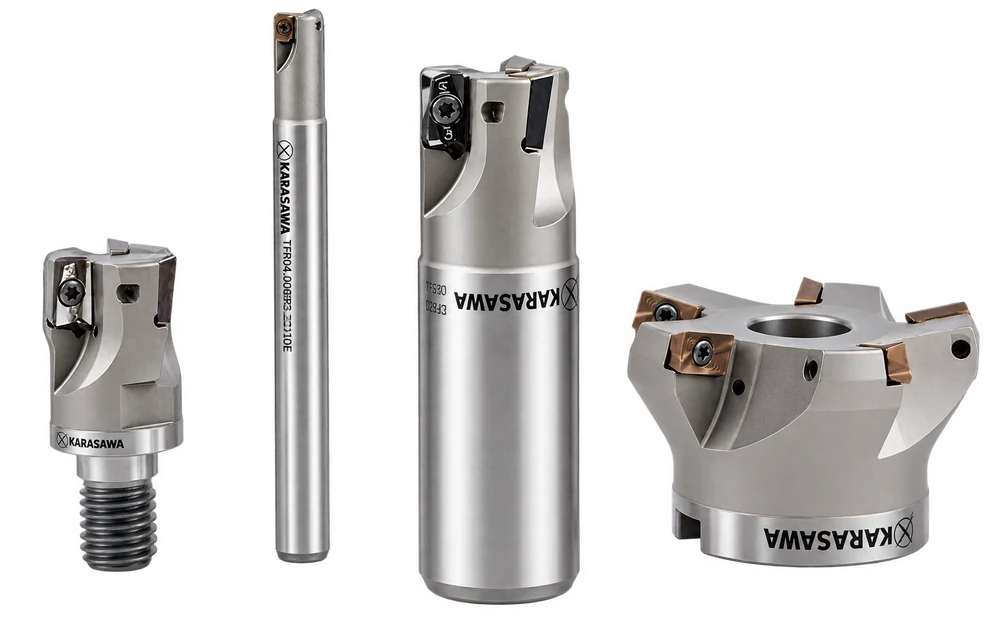
Ten tool groups arranged by operation. Each has its own page with the model range, grades and coatings.
Milling
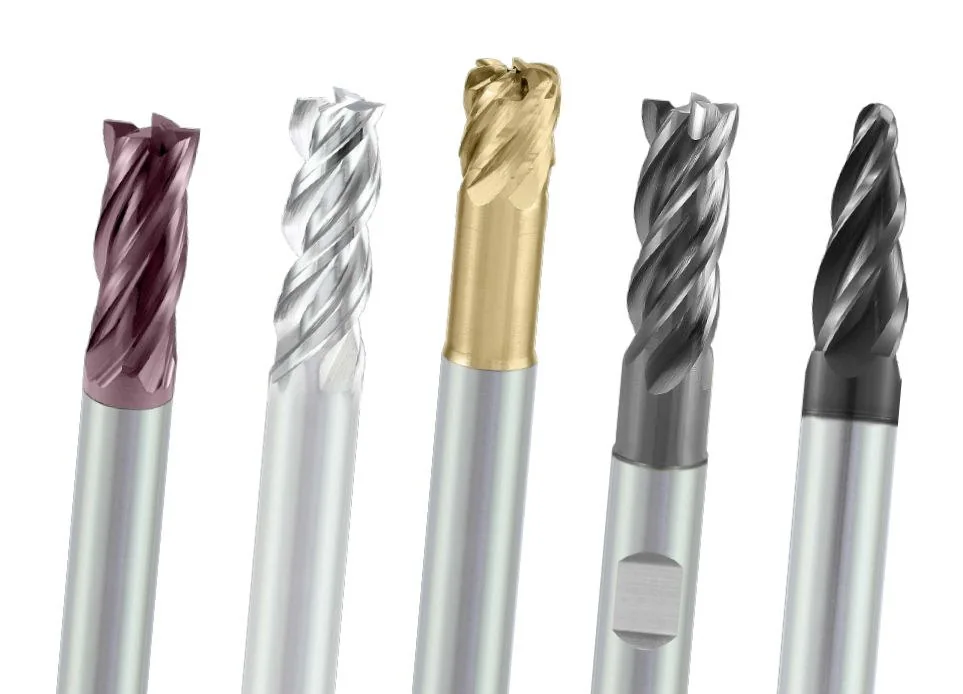
Nine series by application: alloy and hardened steel up to 70 HRC, stainless, heat-resistant alloys, aluminium and graphite, high-feed, modular, barrel and ball nose.
Go to section →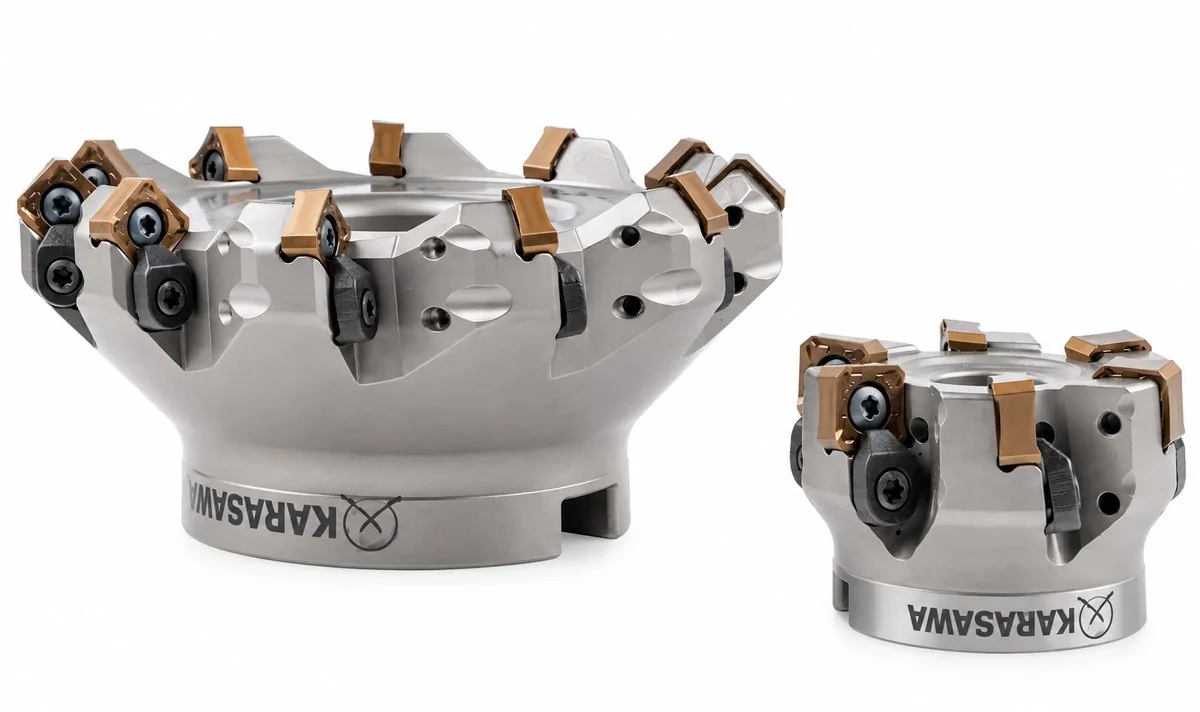
Bodies for 90° shoulder, face and high-feed milling, copy milling and dedicated series for aluminium. Seventeen insert grades.
Go to section →Drilling and holes
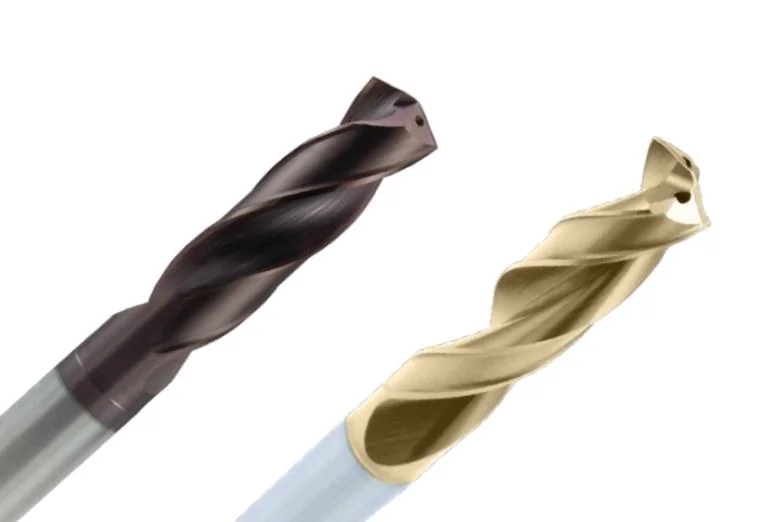
Seven series for specific jobs — from general-purpose drilling to hardened steel, flat bottom and centre drilling. Depths from 3D to 50D.
Go to section →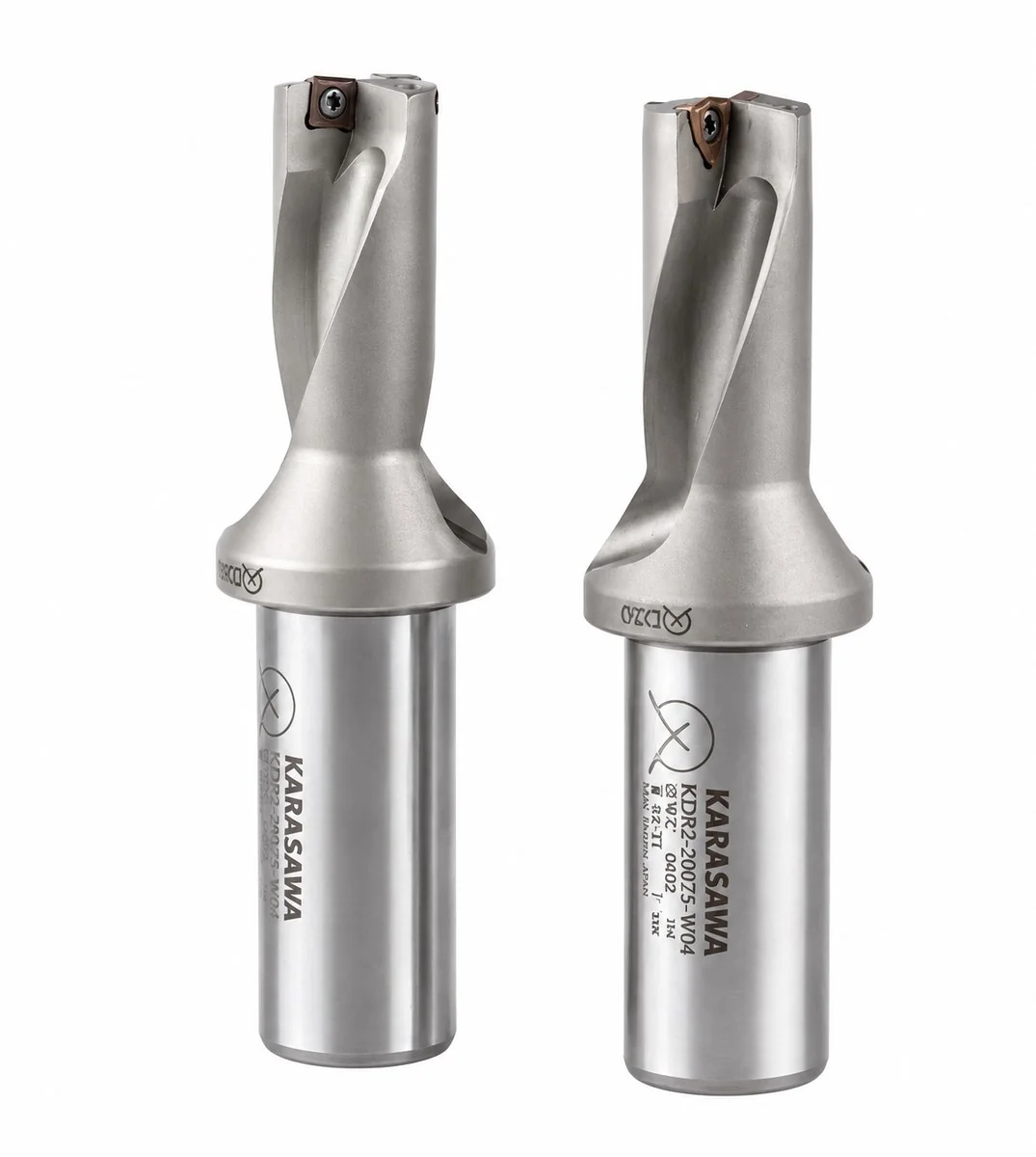
Ø12.5–60 mm, depth 2D–5D. The insert wears out, not the tool: the body lasts for years.
Go to section →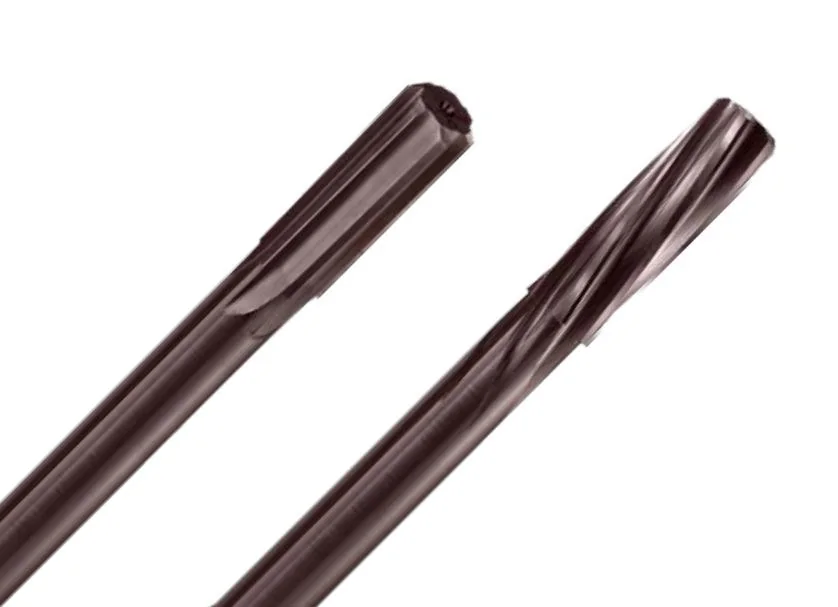
Straight and helical flute, versions with internal coolant supply. Ø2.99–20 mm, H7 fit in a single pass.
Go to section →Turning
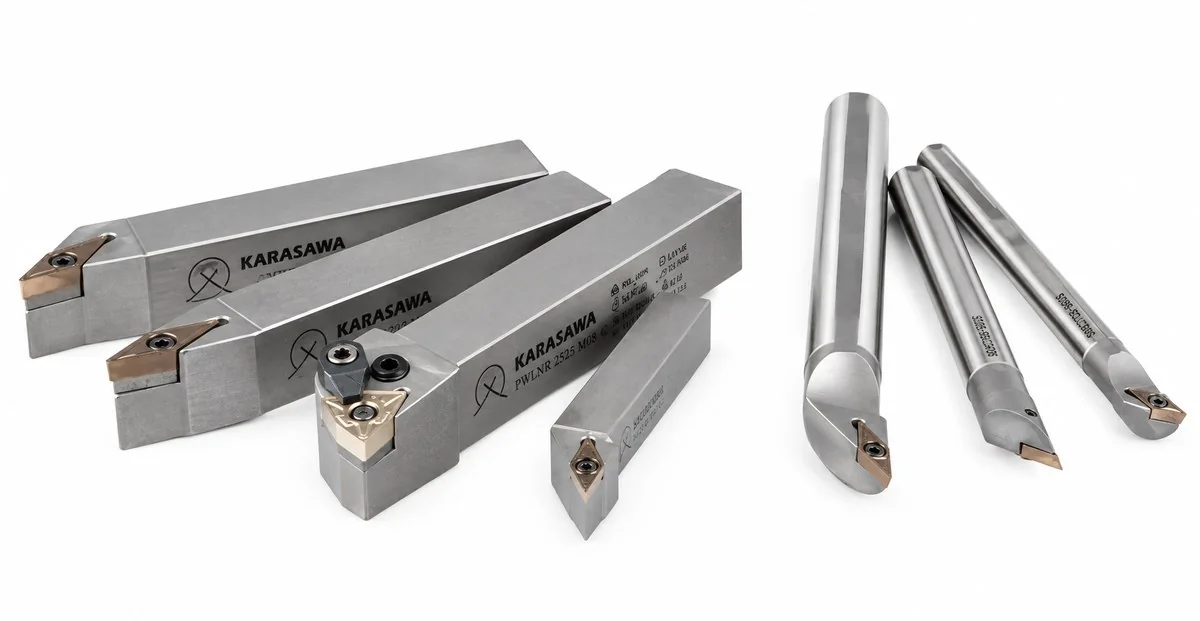
External turning and boring. Four insert clamping systems: high-rigidity top clamp, lever, wedge clamp and screw.
Go to section →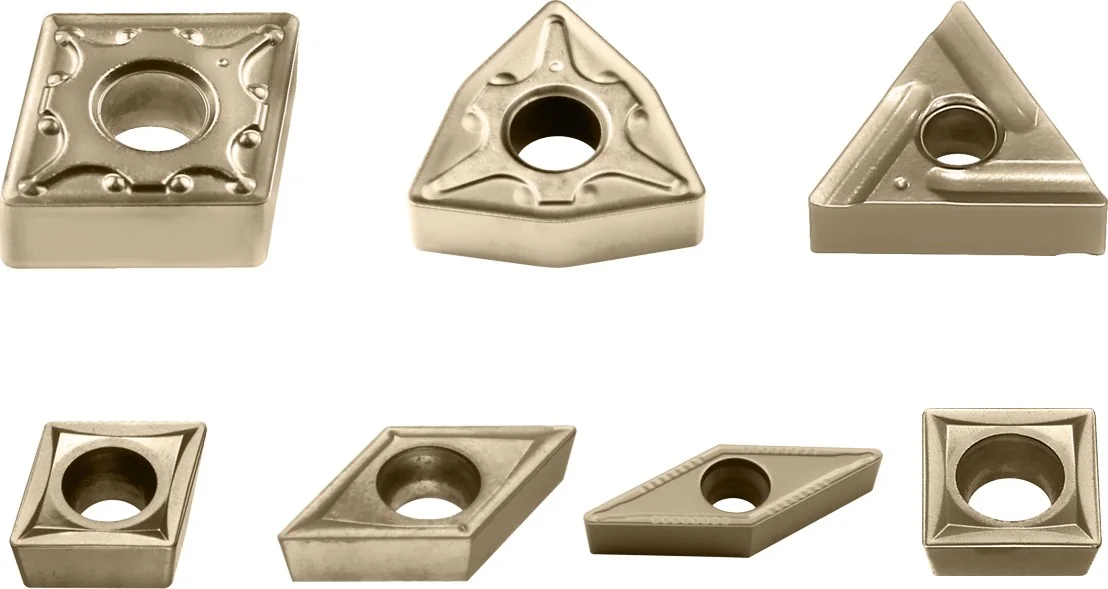
42 chipbreaker geometries for negative and positive inserts, 16 grades from cermet and CVD to PCD and CBN, eight coating technologies.
Go to section →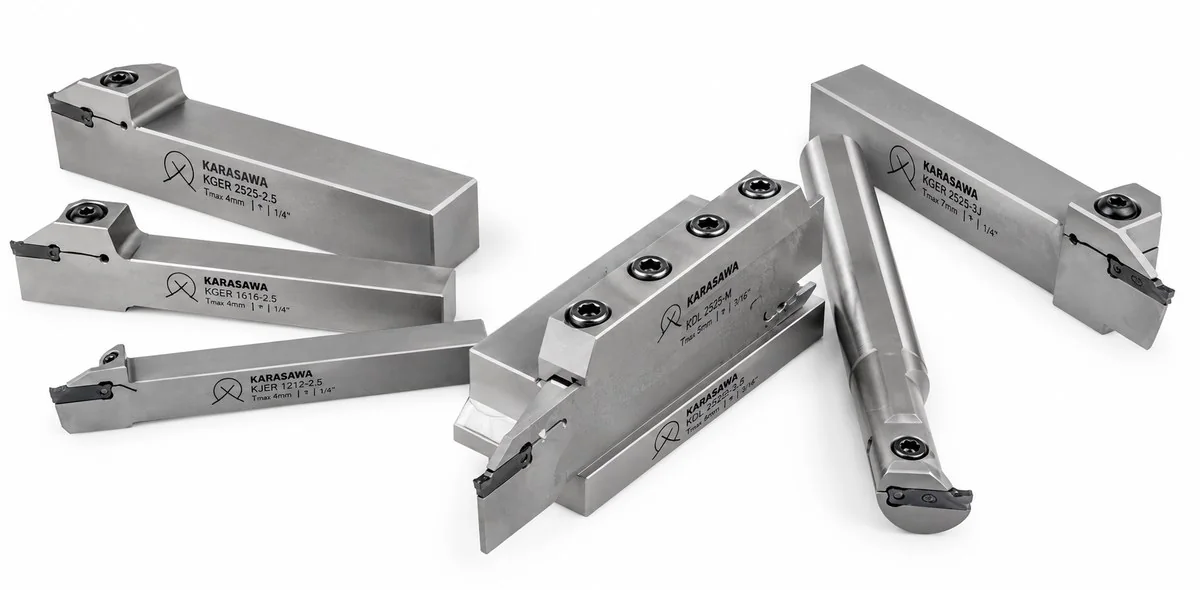
External, internal and face grooving toolholders, parting blades with block holders, inserts 1.5–6 mm wide in six grades.
Go to section →Threading and Swiss-type lathes
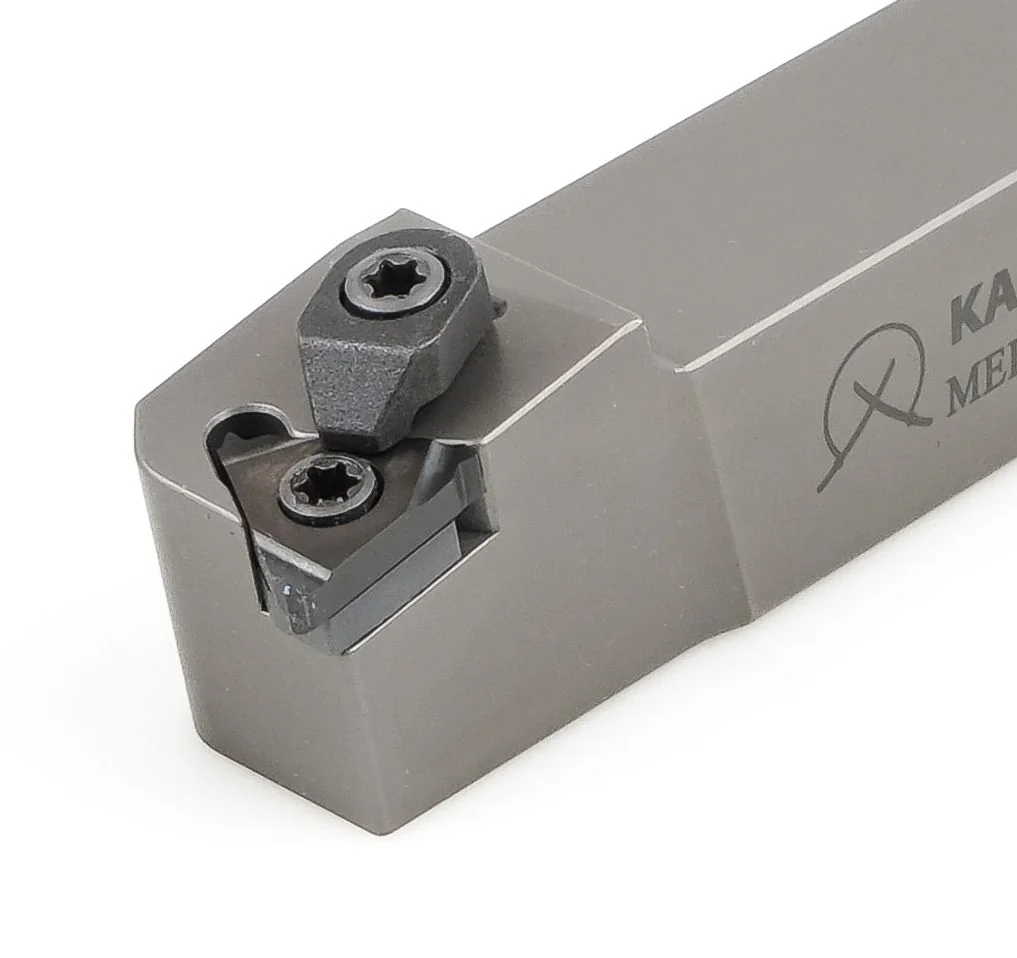
ME and KE toolholders for external threads, MI and KI boring bars for internal threads. Full-profile ISO 6g/6H and 60° partial-profile inserts.
Go to section →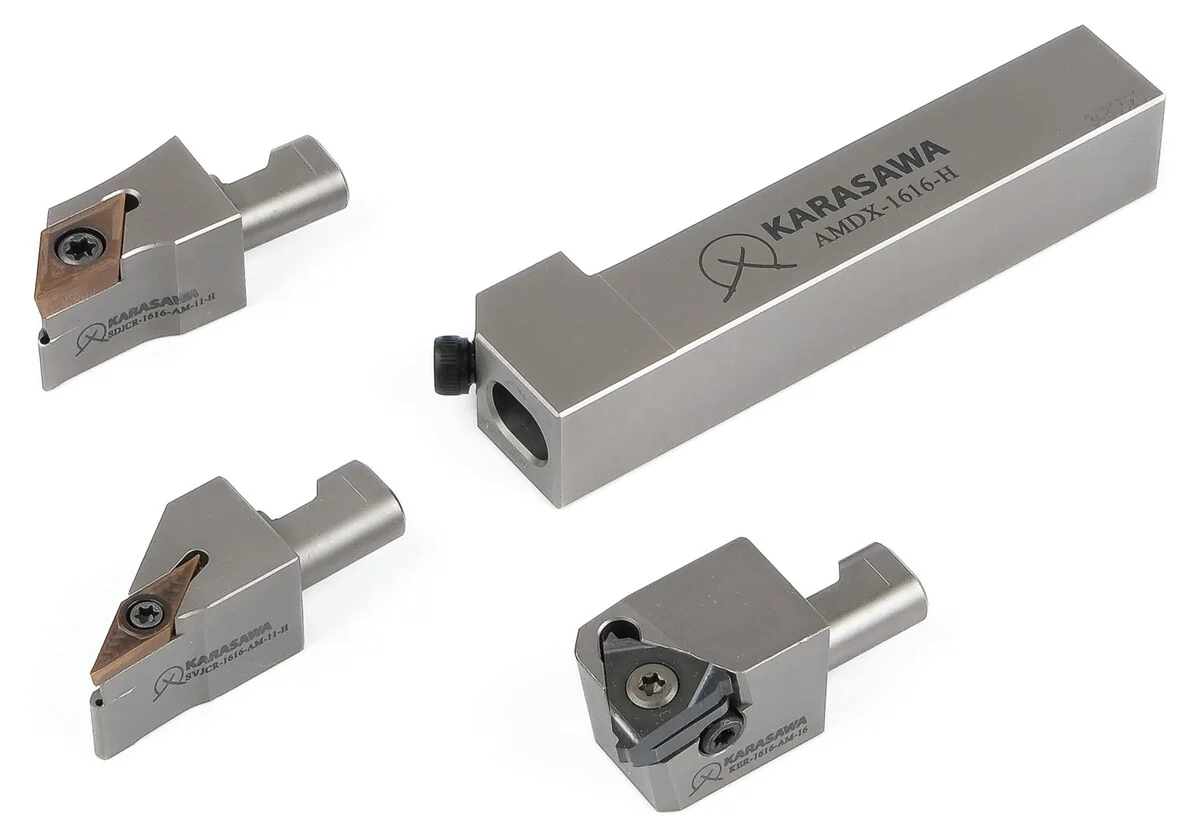
Quick-change toolholders for sliding headstock lathes: AMDX 12×12 and 16×16 base, turning and threading heads, internal coolant supply.
Go to section →Workpiece materials
Steel, stainless steel, cast iron, non-ferrous alloys, heat-resistant alloys and hardened materials — each group has its own grade and its own coating.
Technical information
Five reference pages on what you can see on the edge, on the part and in the chip: symptom, cause, what to do — from the cheapest fix to the most expensive.
Ten states of the cutting edge you will meet in any operation: what it looks like, what it leads to, why it happens and what to do about it.
Open →Seventeen cases starting from what you can see at the machine: marks on the part, the state of the edge, the behaviour of the chip — symptom, cause, what to do.
Open →Wear, chipping, thermal cracks, built-up edge, vibration, flatness and chip throw — with the impact and thermal cycle on every tooth taken into account.
Open →The inner and outer insert work under different conditions — hence the breakdown: cracks, scoring on the body, hole diameter, vibration, long chips.
Open →The zero pass, chip evacuation, threading direction, three infeed methods and tables of depths and pass counts by pitch.
Open →Manufacturing
KARASAWA tools are manufactured in Italy, Turkey and Taiwan. Each tool group is made where the process and the equipment for it are already established.
Inserts and toolholders conform to ISO — the tool goes straight into the place of the one already in the machine, with no changes to the setup.
From roughing cuts to finish reaming and parting off — one supplier, one price list, one delivery note.
You do not need to know the part number. Tell us what you are machining and on what — we will do the selection. Write to us →